
but first a small introduction so that they understand the exercise better …
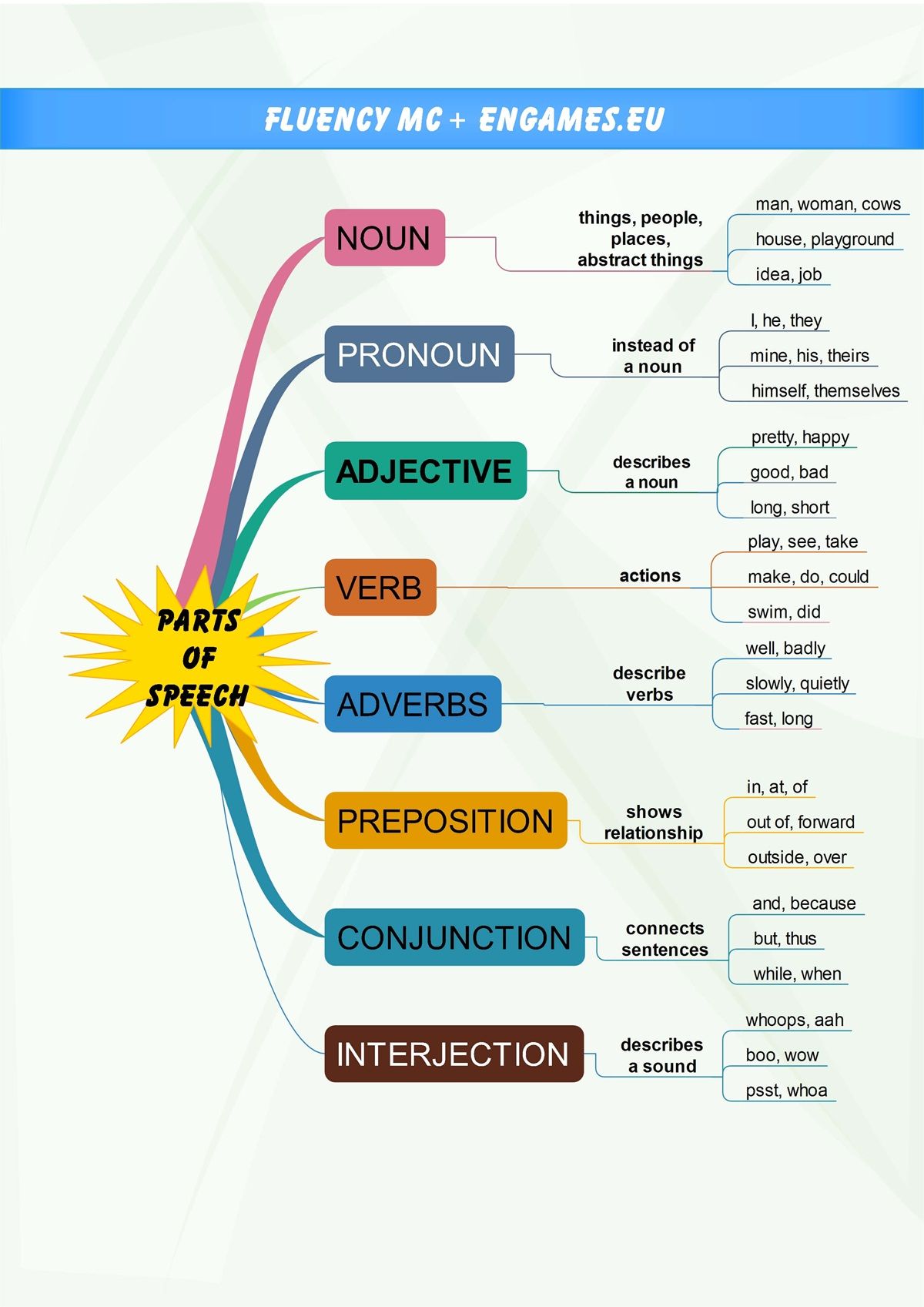
Rap Song
https://www.youtube.com/watch?v=QPK3l6cK1k4
are you ready?

https://www.englishgrammar.org/parts-speech-exercise-3/
but first a small introduction so that they understand the exercise better …
https://www.youtube.com/watch?v=QPK3l6cK1k4
are you ready?
https://www.englishgrammar.org/parts-speech-exercise-3/
GRAMMAR. READ THE FOLLOWING SENTENCES AND THEN COMPLETE WITH YOUR OWN IDEAS. USE THE CONDITIONAL 0
If you eat fast food in excess, you have several troubles like obesity
If you eat fast food in excess, you have digestive problems
If you eat fast food in excess, you damage your liver.
If you eat fast food in excess, it causes fatigue and weakness

A blind spot, scomota, is an obscuration of the visual field. A particular blind spot known as the physiological blind spot, “blind point”, or punctum caecum in medical literature, is the place in the visual field that corresponds to the lack of light-detecting photoreceptor cells on the optic disc of the retinawhere the optic nerve passes through the optic disc.
Because there are no cells to detect light on the optic disc, the corresponding part of the field of vision is invisible. Some process in our brains interpolates the blind spot based on surrounding detail and information from the other eye , so we do not normally perceive the blind spot.
Although all vertebrates have this blind spot, cephalopod eyes, which are only superficially similar, do not. In them, the optic nerve approaches the receptors from behind, so it does not create a break in the retina.
The first documented observation of the phenomenon was in the 1660s by Edme Mariotte in France. At the time it was generally thought that the point at which the optic nerve entered the eye should actually be the most sensitive portion of the retina; however, Mariotte’s discovery disproved this theory.
The blind spot is located about 12–15° temporally and 1.5° below the horizontal and is roughly 7.5° high and 5.5° wide.

LISTENING.
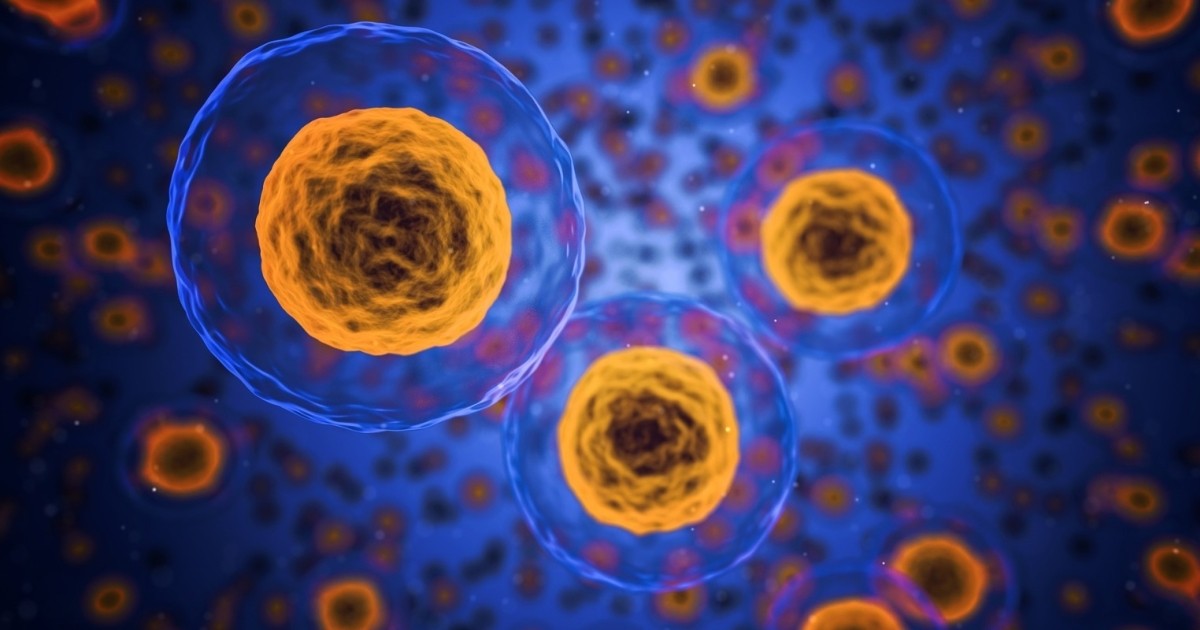
So, you can understand more about biology
Answer the next questions.
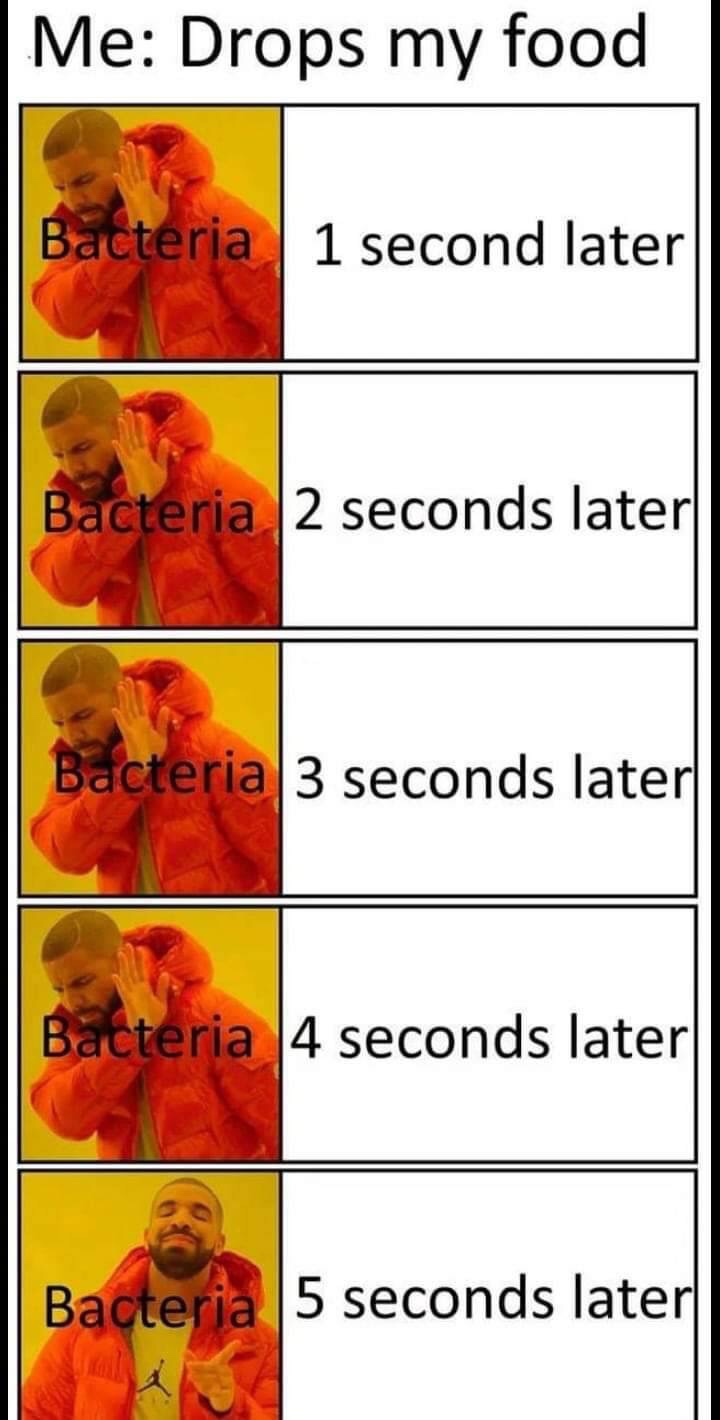
IF YOU DROP YOUR FOOD, YOU HAVE 5 SECONDS TO PICK IT UP AND EAT. IT.
READING. What do you think about …?
Massive stars profoundly affect their galactic environments. Churning and mixing interstellar clouds of gas and dust, stars — most notably those upwards of tens of times the mass of our Sun — leave their mark on the compositions and locations of future generations of stars. Dramatic evidence of this is illustrated in our neighboring galaxy, the Large Magellanic Cloud (LMC), by the featured nebula, Henize 70 (also known as N70 and DEM301). Henize 70 is actually a luminous superbubble of interstellar gas about 300 light-years in diameter, blown by winds from hot, massive stars and supernova explosions, with its interior filled with tenuous hot and expanding gas. Because superbubbles can expand through an entire galaxy, they offer humanity a chance to explore the connection between the lifecycles of stars and the evolution of galaxies.
Credit: Josep M. Drudis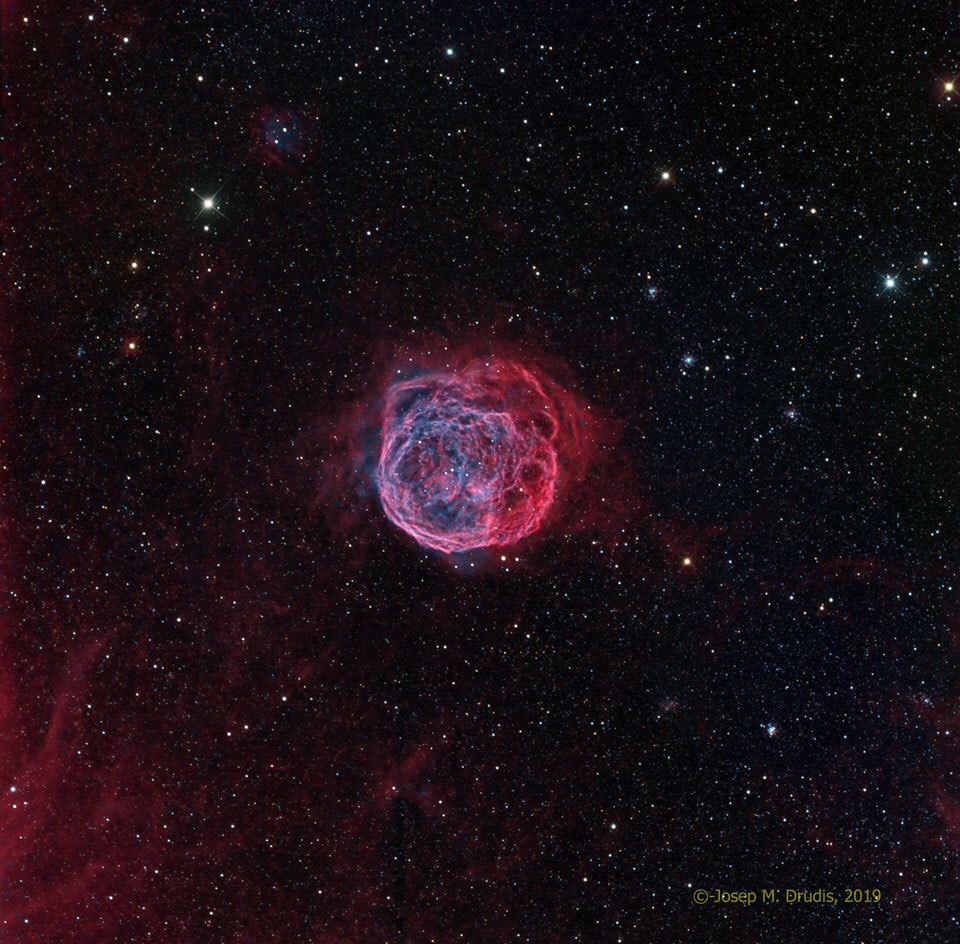
READING. You can see the simple past. Identify the phrases in which the verb to be in the past is used.
 Science for everyone.